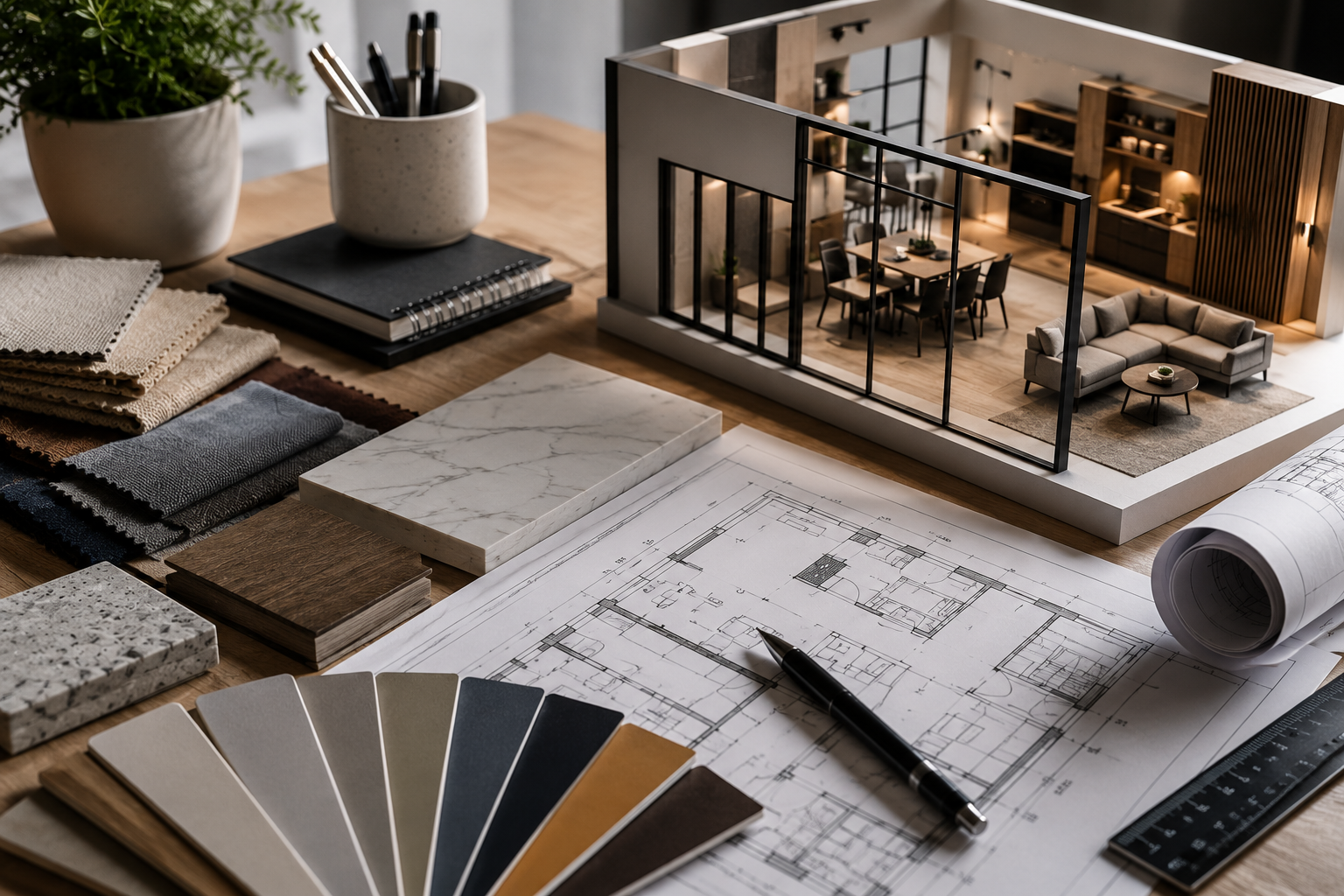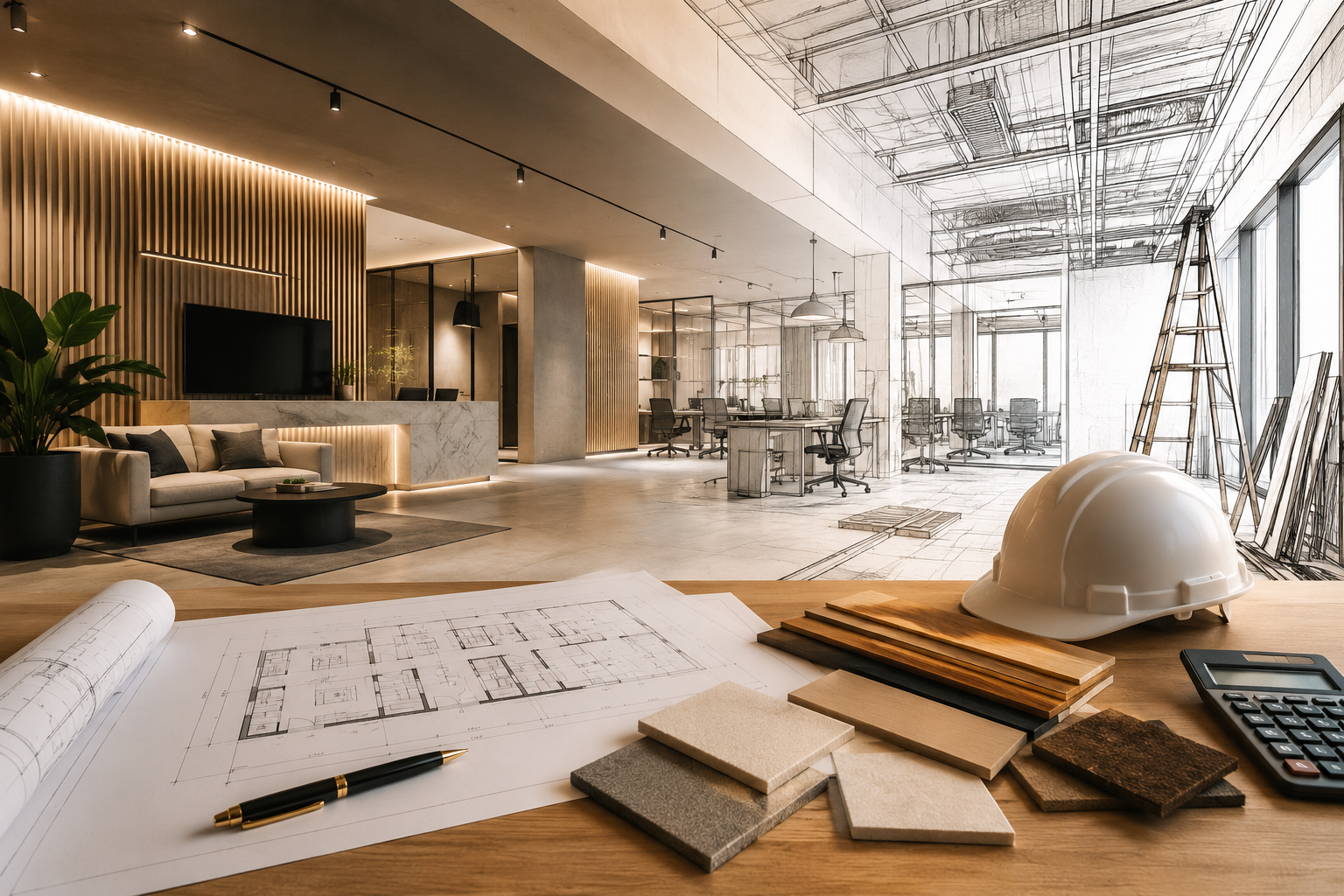

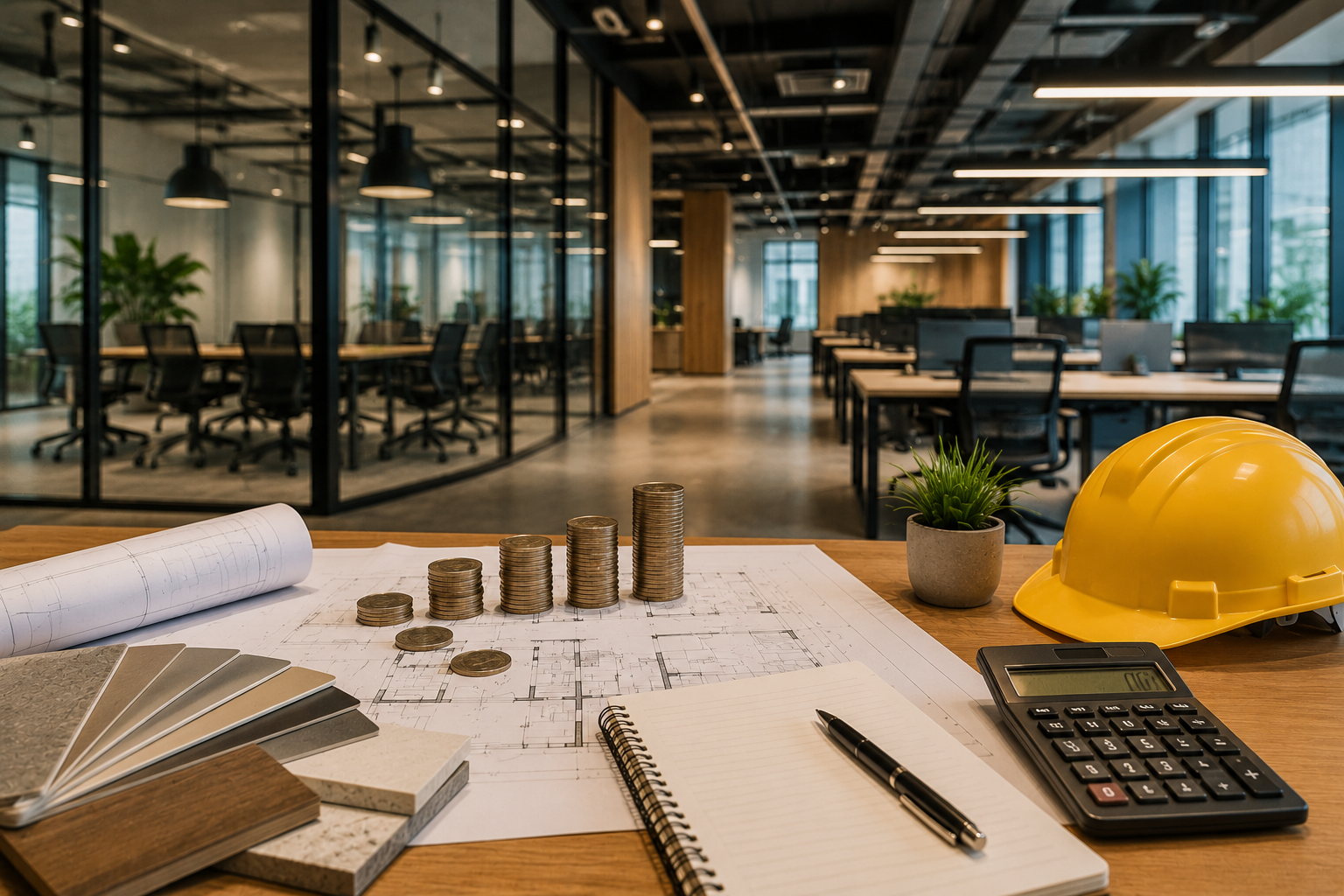
Planning a commercial office fit-out is more than selecting furniture and finishes—it’s about creating a productive, functional, and inspiring workplace while staying within budget. A well-planned fit-out improves employee satisfaction, strengthens your brand image, and supports future business growth. By establishing a realistic budget from the beginning, businesses can avoid unexpected expenses and ensure a smooth project from concept to completion.
Define Your Office Requirements
The first step in planning your fit-out budget is understanding your business needs. Consider the number of employees, workspace layout, meeting rooms, reception area, collaborative spaces, private offices, storage requirements, and future expansion plans. Clearly defining these priorities helps ensure your budget is allocated to the features that deliver the greatest value.
Understand the Major Cost Components
A commercial office fit-out involves several key cost categories. These typically include interior design and space planning, civil and architectural works, mechanical, electrical, and plumbing (MEP) systems, lighting, ceilings, flooring, wall finishes, glass partitions, custom joinery, office furniture, workplace technology, and final testing and handover. Understanding these components allows you to build a realistic budget and avoid hidden costs.
Invest Where It Matters Most
Not every area of the office requires the same level of investment. Focus your budget on spaces that have the greatest impact on employees and visitors, such as the reception area, meeting rooms, collaborative workspaces, lighting, and high-traffic zones. Strategic investment in these areas creates a professional environment while maximizing the value of your budget.
Include a Contingency Budget
Even the most carefully planned projects can encounter unforeseen site conditions or design adjustments. Setting aside a contingency budget provides flexibility to handle unexpected expenses without disrupting the overall project. This approach helps maintain financial control and keeps the project moving forward smoothly.
Minimize Changes During Construction
Design changes made after construction has begun often result in additional costs and project delays. Finalizing layouts, materials, finishes, and technical specifications before procurement and installation begin helps avoid unnecessary revisions and ensures the project stays on schedule and within budget.
Work with an Experienced Fit-Out Contractor
Choosing the right interior fit-out contractor is essential for successful budget management. A professional contractor provides transparent pricing, detailed project specifications, realistic timelines, and expert guidance throughout the project. Their experience helps identify cost-saving opportunities without compromising quality, ensuring your office fit-out delivers long-term value.
Conclusion
A successful commercial office fit-out starts with careful planning and smart financial management. By defining your priorities, understanding project costs, investing strategically, and partnering with an experienced contractor, you can create a modern, efficient workplace that supports your business goals while maintaining complete budget control. Thoughtful planning today will result in a workspace that delivers value, functionality, and lasting performance for years to come.